Waymo Under Scrutiny: Autonomous Vehicles Hinder Emergency Response
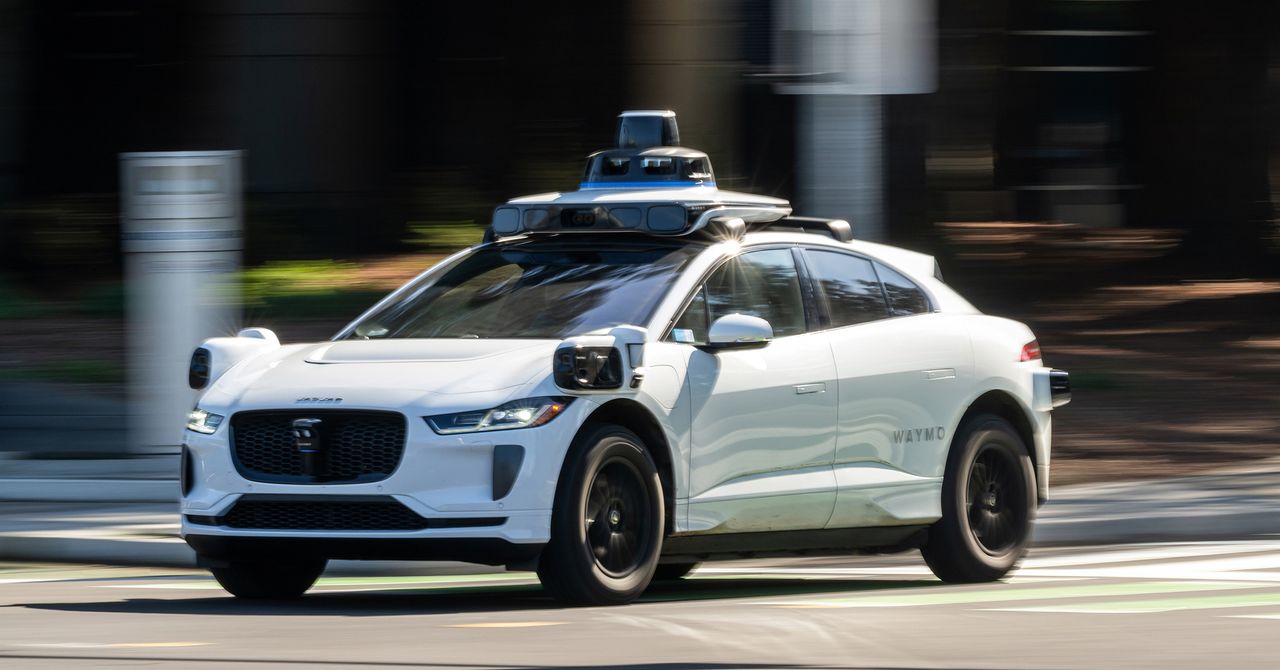
Waymo's autonomous vehicles, the self-driving division of Alphabet, are raising increasing concerns among first responders in the United States, who report interferences and obstacles during emergency operations.
What happened
A recent Wired report highlighted how police officers, firefighters, and paramedics are encountering significant difficulties due to the unpredictable behavior of robotaxis. According to testimonies, robotaxis stop inappropriately, block the passage of emergency vehicles, and create confusion in critical situations. One police official told federal regulators that "the technology was deployed too quickly in too vast amounts, with hundreds of vehicles, when it wasn’t really ready" Emergency First Responders Say Waymos Are Getting Worse.
These incidents are not isolated. In Phoenix, Arizona, and San Francisco, California, where Waymo operates a substantial fleet, numerous episodes have been recorded where autonomous vehicles slowed down or prevented access to accident or fire scenes. First responders often find themselves having to maneuver around stalled vehicles or wait for a remote Waymo operator to intervene and move the vehicle, losing precious time in situations where every second can make the difference between life and death.
Why it matters
The reliability and predictability of autonomous vehicles are crucial for their acceptance and integration into society. When this technology interferes with emergency services, the impact on public safety becomes direct and potentially catastrophic. Public trust in autonomous driving, already fragile, risks being further undermined by these incidents. For first responders, the introduction of a new element of uncertainty and obstruction in their daily work not only increases stress but can also jeopardize their own safety and that of the people they are trying to help.
Furthermore, the issue raises critical questions about the governance and regulation of artificial intelligence in the transportation sector. Who is responsible when an autonomous vehicle obstructs an ambulance? What protocols need to be established to ensure that AI systems recognize and prioritize emergency vehicles? The speed of technology deployment, as suggested by the police official, appears to have outpaced the ability of regulators and developers to anticipate and mitigate all operational risks. This imbalance between innovation and safety is a recurring theme in the adoption of new AI technologies.
The HDAI perspective
From Human Driven AI's perspective, the Waymo situation highlights a fundamental truth: technological innovation must always go hand in hand with a rigorous assessment of human and social impact. It's not just about perfecting algorithms or sensors, but about ensuring that technology is designed and implemented ethically and responsibly, with people's safety and well-being at its core. The rush to bring advanced solutions to market cannot and must not compromise the ability of essential services to operate unimpeded.
It is imperative that companies like Waymo collaborate closely with local authorities and first responders to develop clear protocols and systems that ensure absolute priority for emergency vehicles. This includes training remote operators, continuously updating AI models to recognize and react appropriately to emergency signals (sirens, strobe lights), and creating rapid and effective communication channels. AI governance is not an option but a pillar for sustainable and beneficial adoption.
What to watch
The Federal Highway Administration (FHWA) and other federal agencies are closely monitoring the situation. It is likely that pressure from first responders and public opinion will lead to stricter regulations and more stringent requirements for the deployment of autonomous vehicles. It will be crucial to observe how Waymo and other industry players respond to these challenges, demonstrating their ability to adapt and prioritize safety before further expanding their operations.